
As I was cleaning, I meditated on the verses I had studied during my morning devotions. Cleaning times can become sacred times—a space where the atmosphere transforms as we become aware of God’s presence. In those moments, He often imparts profound revelations from His Word.
I had been studying Matthew chapters 17 and 18, and the insights God revealed were beautiful. One question I pondered was how the events in these chapters seamlessly intertwined rather than appearing as isolated incidents. A particular passage stood out to me: Matthew 17:24-27. When those who collected tribute money approached Peter, they asked, “Doesn’t your master pay tribute?” Peter answered, “Yes.” Later, Jesus questioned Peter about the conversation, explaining, “Then are the children free” (verse 26). Yet, in verse 27, Jesus instructed Peter to pay the tax through a miraculous provision: a coin found in the mouth of a fish.
It was a personalized miracle for him, because Peter was a fisherman. Friends, God wants to do the same for you. Through this miracle, Jesus lovingly bound Peter’s heart to his, demonstrating His patient investment in youth and His commitment to guiding them, even when they lacked full understanding. Though Peter was still grappling with self-centered debates about who would be greatest in the kingdom of heaven, Jesus patiently nurtured him, teaching by example. This moment also reflected Jesus’ approach to training His disciples to care for others with love and humility.
In Matthew 17 and 18, Jesus emphasized not causing offense to children and being mindful of our own offenses (Matt. 18:6-7). Both the disciples and the church leaders were caught in cycles of offense, setting a poor example for the children. Jesus redirected their focus, saying, “Stop being consumed by what offends you and start considering how you are offending the children, by neglecting and hurting them.”
The temple tax situation in Matthew 17 holds a deeper lesson. Prophets, priests, and Levites were exempt from such taxes (Ezra 7:24), and as a prophet and high priest (Heb. 4:14), Jesus qualified for exemption. Yet, He taught His disciples to avoid being a stumbling block by choosing to pay the tax anyway. The priests, ironically offended by Jesus, failed to recognize how their own neglect and misrepresentation of God’s character were stumbling blocks-offense in Greek- for the children.
The demon-possessed boy in Matthew 17:14-16 exemplifies this neglect. His father, desperate and burdened, brought him to the disciples, who failed to heal him. Imagine the anguish of the parents, constantly pulling their son from fire and water as the demon sought to destroy him. How did he reach this point? Jesus later explained in Matthew 18:12-13: the boy had wandered astray, likely due to a lack of nurturing guidance from the church and its leaders, which opened the door for the demon(s) to take possession of him.
The Greek definitions and synonyms of key words in the text deepen our understanding. For instance, “lunatic” (epileptic, maniac, psychotic) and “astray” (heretic, to lead away into error and sin, to fall away from the truth) highlight the boy’s spiritual and physical plight. The church leaders bore responsibility, having failed to invest in the youth with love and instruction. Their form of religion lacked power (2 Tim. 3:5), creating an environment where children and families suffered.
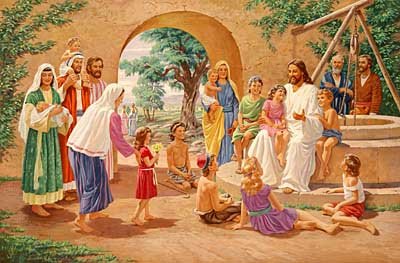
Jesus sought to awaken His disciples to their calling: to care for children with humility, patience, and love. In Matthew 18:1, as the disciples argued about greatness, they overlooked the children, stepping on them—both figuratively and literally—in their pursuit of prominence. Jesus confronted this mindset, teaching that true greatness in His kingdom comes through tender care and selfless investment in the least among us.
In Matthew 18:8-9, Jesus strongly warns against mistreating or neglecting children. Actions such as harsh looks or words (eyes and mouth), rough handling (hand), and walking away from them for our selfish pursuits (feet) make one subject to judgment. In Matthew 18:5, Jesus instructs us to “receive” children. The Greek meaning of “receive” encompasses instructing, educating, taking by the hand, listening, embracing, making them part of one’s family, welcoming them favorably, and refusing to reject them. This reflects God’s heart.
In Matthew 18:10, Jesus is telling us, “Be careful that you do not look down on these little ones or dismiss their importance. They are deeply cherished in heaven and loved with great tenderness. Their angels bring reports to My Father about how they are treated. We are not to make them feel any other way than wanted, because they are wanted in My Father’s kingdom.
Furthermore, in Matthew 18:12-13, Jesus is saying: when one of God’s children strays into a sinful lifestyle, we are called to pursue them with love and do everything possible to guide them back into the family of God. This reflects the redemptive and compassionate nature of God’s love.
This story teaches us the essence of true education: sacrificial love, intentional time, and consistent investment in the spiritual and emotional growth of the next generation. This work—valuing children as God does—is the greatest calling, and those who answer it will be honored in His kingdom.
Because every child is full of potential, with unique gifts waiting to be nurtured. Yet, countless talents are wasted due to neglect, abuse, or rejection. Imagine the heartbreak of our Heavenly Father, who sees what could have been achieved through these precious lives. Look into the face of each child, and imagine their potential if given a chance! Jesus calls us to invest in our children and youth, reflecting His love and character so they can know Him and reach their God-given potential.
May we embrace this responsibility with humility and joy, trusting God to guide us as we nurture the children He has entrusted to us.
beautiful writing and well thought out principles. thank you for sharing these thoughts.
Thank you, Charles! Praise the Lord! Thank you for reading it!!!